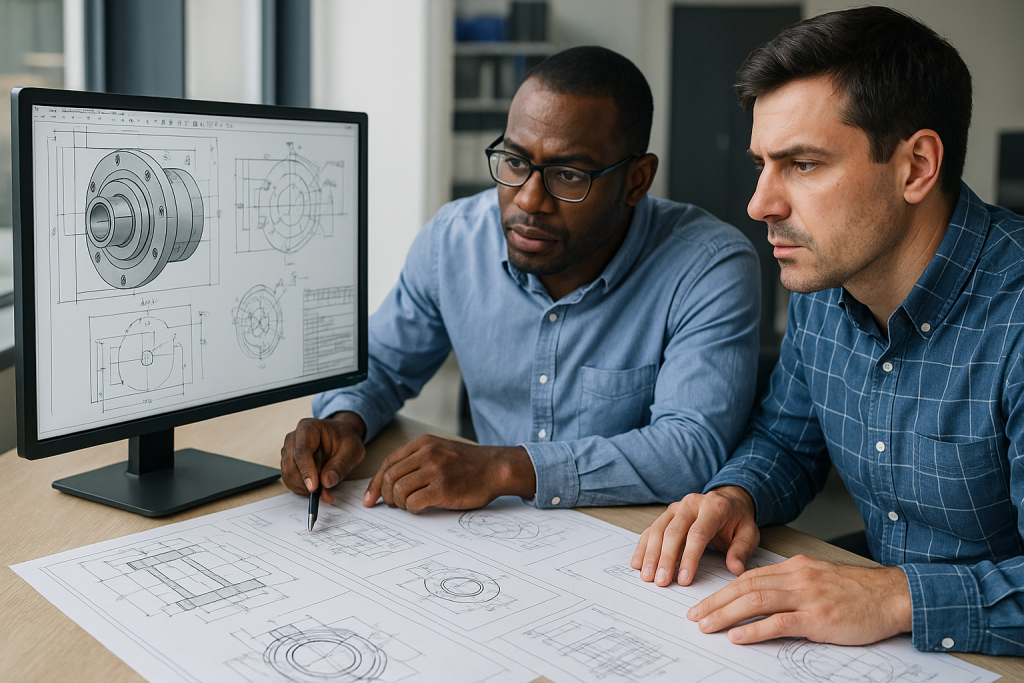
Let’s talk about what Maintenance, Repair, and Operations (MRO) really looks like on the shop floor these days. It’s no longer just about swapping out standard filters and lubricating bearings.
If you manage a manufacturing plant, you already know the nightmare scenario. You’ve got legacy equipment—maybe a heavy stamping press or an automated packaging line—that has been the workhorse of your facility for twenty years. Then, an indexing cam cracks or a custom drive shaft shears in half.
You immediately call the original equipment manufacturer (OEM). The response on the other end of the line? “We discontinued that series a decade ago. We don’t carry the spares.”
This is the exact moment MRO goes from a routine maintenance checklist to a full-blown crisis. You don’t have the original 3D CAD files. You don’t have the blueprints. And every hour that assembly line sits idle, you are burning through cash and missing shipping deadlines.
Why the Traditional Supply Chain is Failing MRO
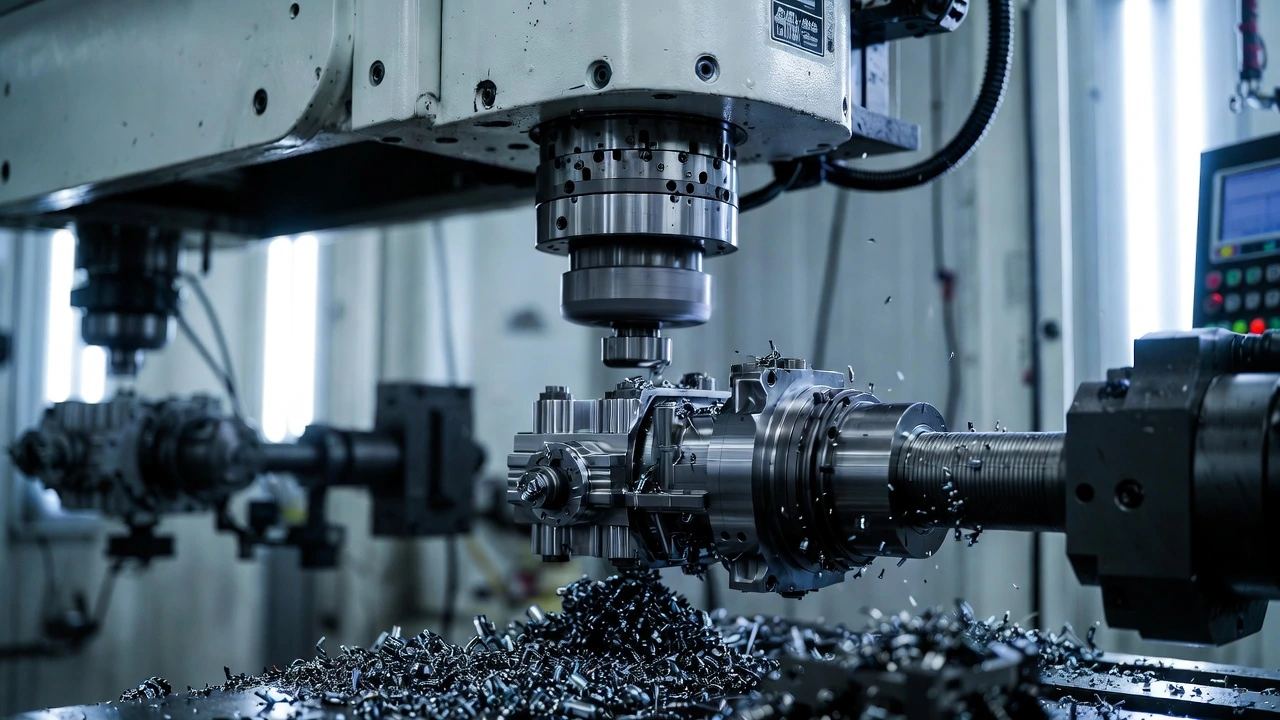
There is a hard truth sweeping through the manufacturing industry right now: MRO is being forced to shift from reactive fixes to a strategic capability. The traditional supply chain simply isn’t built to handle these emergencies anymore.
We are seeing massive supplier consolidation across the board. The local mom-and-pop machine shops that used to bail you out with a quick one-off replacement are disappearing. And waiting six to eight weeks for a standard high-volume machine shop to fit a single repair part into their schedule? That doesn’t work when you have a line-down emergency.
The Fix: On-Demand CNC Machining
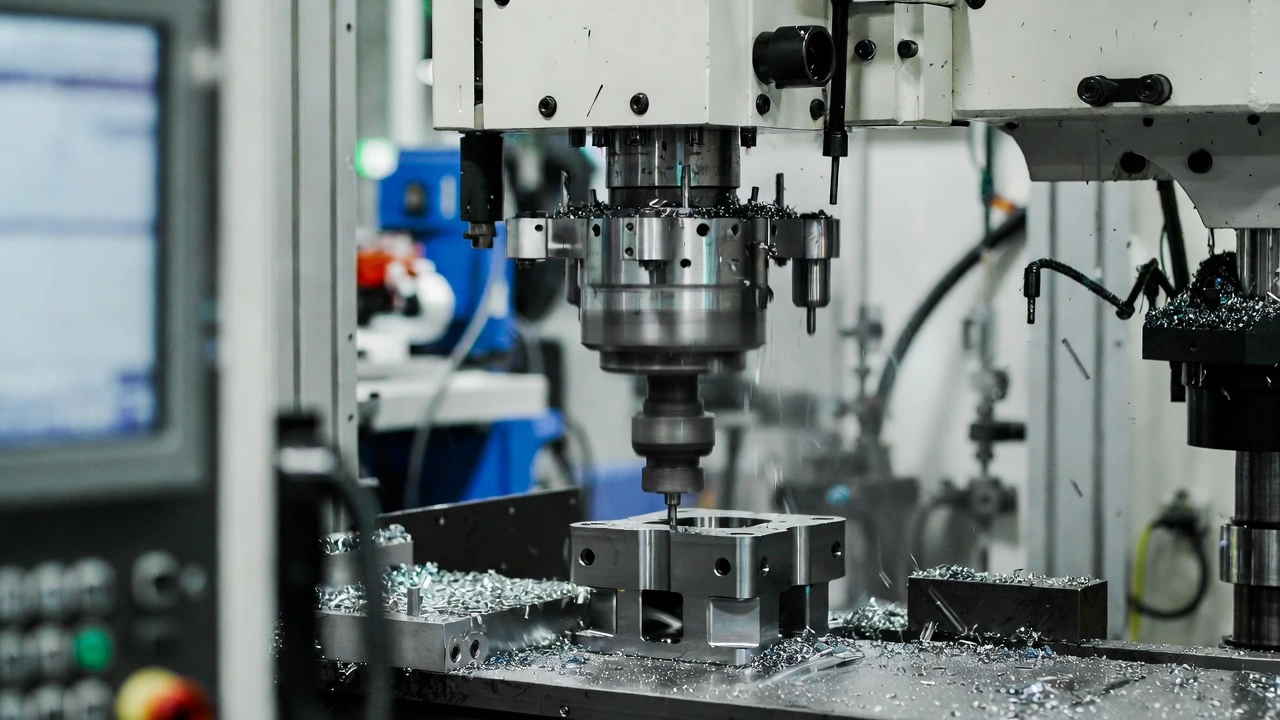
When the OEM leaves you high and dry, on-demand CNC machining is how you stop the bleeding.
I’ve been watching maintenance teams struggle with this exact supply chain bottleneck since 2004. The fix is actually straightforward. You don’t need a pristine digital file to get your machine running again. You just take the broken, greasy component right off the machine and reverse-engineer it.
You grab the calipers, pull the critical dimensions—like the bearing fits and bolt hole patterns—and model it up from scratch. Once that digital file is locked in, a CNC mill or lathe can cut a brand-new, production-grade part directly from a solid block of metal or industrial plastic. No waiting for custom tooling. No hunting down defunct suppliers.
Don’t Just Replace the Part. Upgrade It.
Here is something a lot of engineers overlook when they are in a panic to fix a broken machine: MRO machining gives you the rare opportunity to make the part better.
If a cheap OEM plastic gear stripped out under a heavy load, why replace it with the exact same weak plastic? When you machine a custom replacement, you get to dictate the material. You can upgrade that failing plastic to CNC-machined 6061 aluminum for serious rigidity. If a carbon steel shaft keeps rusting out in a humid facility, you swap it for 316 stainless steel.
You aren’t just fixing the machine; you are fixing the original design flaws.
Whether you are in automotive, aerospace, or industrial equipment, keeping legacy machines running is half the battle. If you’re tired of dealing with discontinued components and long lead times, leveraging custom CNC machining for MRO is the most reliable way to get your obsolete replacement parts fast. Don’t let a single broken piece of hardware hold your entire factory hostage.
FAQs
I don’t have a blueprint or a 3D CAD model, just the broken piece. Can you still make it?
Absolutely. This happens all the time with legacy equipment. You don’t need a clean digital file. Just box up the broken, greasy part—make sure all the sheared pieces are in there—and ship it to our shop. We’ll throw it on the inspection bench, pull the critical dimensions, draw up a new CAD file from scratch, and reverse-engineer it.
How fast can you guys turn around an emergency replacement part?
It depends on the complexity of the geometry and the material, but we know what “line down” means. For emergency MRO situations, we can often reverse-engineer and ship a custom CNC machined part in a matter of days. When you request a quote, just flag it as a critical downtime issue, and we’ll tell you exactly how fast we can get chips flying.
The original OEM part was cheap plastic and it snapped. Can we machine the replacement out of metal?
100%. In fact, we highly recommend it. There’s no sense in replacing a broken part with the same weak material. We regularly swap out stripped injection-molded gears for CNC-machined 6061 aluminum, or upgrade mild steel to 316 stainless steel if corrosion is an issue on your factory floor. Let’s fix the design flaw, not just the broken part.
Do you guys have a minimum order quantity (MOQ)? I literally only need one replacement gear.
No MOQ here. We’ve been in this business long enough to know that when a machine goes down, you usually only need that one specific gear, shaft, or mounting bracket to get back up and running. Whether you need a single one-off replacement or a batch of fifty spares to keep in your maintenance crib, we’ll set up the machines and run it.