
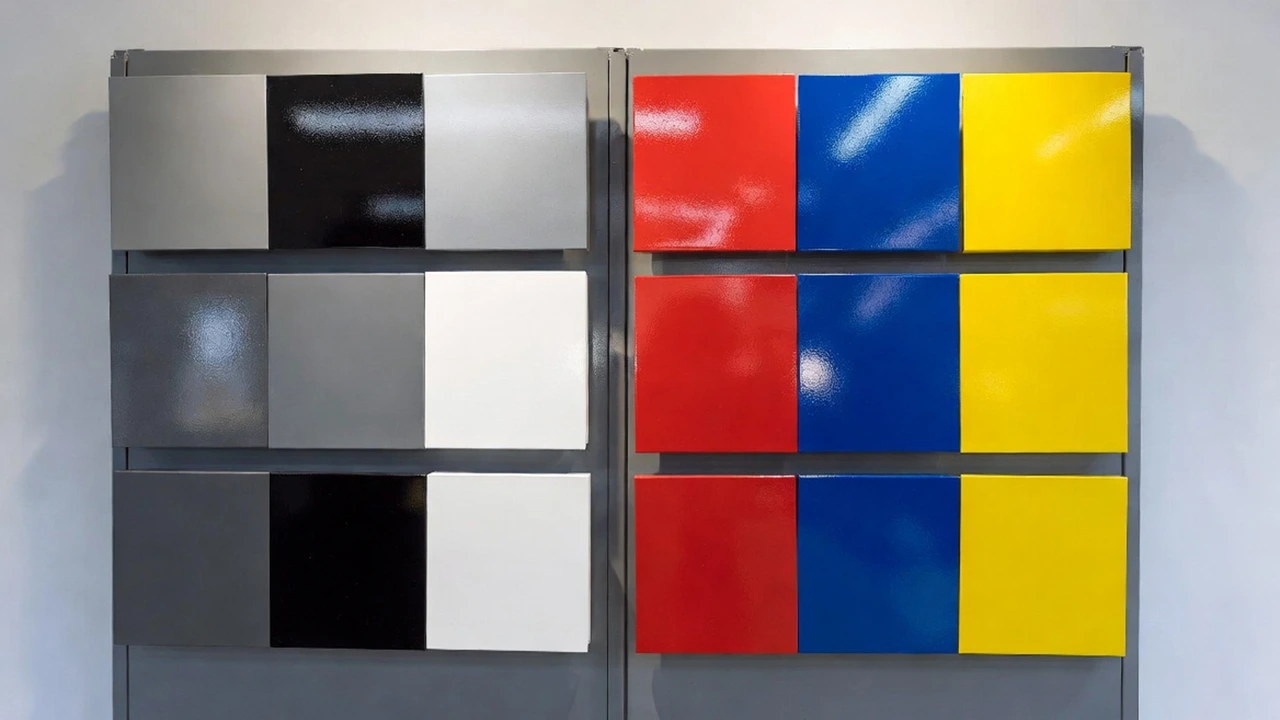
When manufacturing sheet metal parts—whether for robotics, EV components, consumer electronics, or industrial equipment—surface finishing is not just cosmetic. It directly impacts durability, corrosion resistance, wear performance, and brand quality.
Two of the most common finishing methods are powder coating and wet painting. While they may look similar, they perform differently—and choosing the wrong one can lead to faster wear, poor adhesion, or costly rework.
In this guide, we compare these two processes in depth, using real engineering parameters, test performance data, and insights from Boona’s 3-Day Sheet Metal Prototyping Service (👉 https://www.boona-prototypes.com/).
What Is Powder Coating?
Powder coating uses electrostatic application to spray dry powder onto metal, followed by high-temperature curing (160–200°C). The result is a dense, durable coating ideal for exterior or heavy-use applications.
Powder Coating Technical Parameters
| Attribute | Typical Range / Performance |
|---|---|
| Coating Thickness | 60–120 μm |
| Pencil Hardness | H–3H |
| Salt Spray Resistance | >500–1,000 hrs |
| VOC Emissions | 0 (environmentally friendly) |
| Curing Temperature | 160–200°C |
| Finish Types | Matte / Gloss / Texture / Wrinkle |
Advantages
-
Extremely durable
-
Excellent outdoor & UV resistance
-
High corrosion protection
-
Smooth, consistent finish
-
Eco-friendly (no solvents)
Limitations
-
Not ideal for ultra-thin coatings
-
More difficult to retouch or repair
-
Not suitable for heat-sensitive components
What Is Wet Painting?
Wet painting applies liquid paint using spray coating, followed by air drying or oven curing. It is widely used for precision electronics, prototypes, and small-batch production.
Wet Painting Technical Parameters
| Attribute | Typical Range / Performance |
|---|---|
| Coating Thickness | 15–40 μm |
| Adhesion Rating | Grade 0–1 (ISO 2409) |
| Gloss Range | 5%–95% customizable |
| VOC Emissions | Medium to high |
| Special Colors | High accuracy (Pantone, RAL) |
Advantages
-
Better for thin or ultra-thin finishes
-
Ideal for prototypes & low-volume production
-
Excellent color-matching capability
-
Easy to repair or rework
Limitations
-
Lower wear resistance
-
Less corrosion protection compared to powder coating
-
Produces VOC emissions
Performance Comparison: Powder Coating vs. Wet Painting
Performance Table
| Performance Factor | Powder Coating | Wet Painting |
|---|---|---|
| Durability | ⭐⭐⭐⭐⭐ | ⭐⭐⭐ |
| Scratch Resistance | High | Medium |
| Corrosion Resistance | Excellent | Moderate |
| Color Accuracy | Medium | High |
| Surface Feel | Thicker, more robust | Smooth & thin |
| Best for Volume | Medium–High | Prototype–Low |
| Repairability | Low | Excellent |
Geometry Suitability
| Shape / Feature | Powder Coating | Wet Painting |
|---|---|---|
| Flat Panels | Excellent | Excellent |
| Corners & Edges | Good | Very good |
| Deep Cavities | Can be uneven | More consistent |
| Thin Brackets | Coating may be too thick | Better for thin parts |
Cost Comparison
Estimated Cost per m² (Reference Only)
| Method | Prototype Cost | Production Cost | Notes |
|---|---|---|---|
| Powder Coating | $18–$30 / m² | $10–$20 / m² | Higher initial setup |
| Wet Painting | $12–$25 / m² | $8–$15 / m² | More flexible for low volumes |
Cost Takeaways
-
Powder coating is more cost-efficient for medium and high-volume.
-
Wet painting is generally cheaper and faster for prototypes or custom colors.
Application Scenarios
Best Uses for Powder Coating
-
Outdoor enclosures
-
Automotive brackets & chassis
-
Industrial machine covers
-
Fitness equipment
-
Aerospace components
Best Uses for Wet Painting
-
Consumer electronics housings
-
Precision prototypes
-
High-gloss cosmetic parts
-
Medical and laboratory devices
-
Low-volume custom batches
Quality Control & Testing at Boona
Boona applies a strict QC workflow across all sheet metal finishing projects. Learn more on our CNC machining and metal finishing services page:
👉 https://www.boona-prototypes.com/cnc-machining/
QC Checklist
| Test | Method | Acceptance Criteria |
|---|---|---|
| Film Thickness | Coating gauge | Powder: 60–120 μm / Paint: 15–40 μm |
| Adhesion | Cross-cut test | Grade 0–1 |
| Salt Spray | ASTM B117 | >500 hrs (powder) |
| Gloss Level | Gloss meter | ±5 gloss units |
| Color Accuracy | Visual + spectrometer | ΔE < 1.0 |
Boona also offers 3-Day No-MOQ finishing, ideal for rapid prototyping:
Conclusion: Which Finish Is Better?
Both finishes have their strengths:
Choose Powder Coating if you need:
-
Maximum durability
-
Outdoor or heavy-use components
-
Corrosion resistance
-
A thick, robust finish
Choose Wet Painting if you need:
-
Fast prototype turnaround
-
Thin, precise color control
-
Easy repair or rework
-
Small-volume production
For most prototype and low-volume sheet metal projects, wet painting offers flexibility and speed, while powder coating excels in final production requiring long-term durability.
FAQs
What is the main difference between powder coating and wet painting?
The primary difference lies in the application method. Powder coating uses electrostatically charged dry powder cured under heat, while wet painting uses liquid paint sprayed onto the surface and dried at room or elevated temperatures.
Which finish is more durable: powder coating or wet painting?
Powder coating is generally more durable. It offers higher resistance to corrosion, chipping, abrasion, and chemical exposure compared to wet paint.
Is powder coating more environmentally friendly than wet painting?
Yes. Powder coating contains no VOCs or hazardous solvents, making it a cleaner and more environmentally friendly finishing method. Wet painting may emit VOCs depending on the paint formulation.
Can both powder coating and wet painting be used on all sheet metal materials?
Both can be applied to most metals such as aluminum, steel, and stainless steel, but powder coating requires the substrate to withstand oven curing temperatures (approx. 180–200°C).
Which process is more cost-effective for small production runs?
Wet painting is usually more cost-effective for small quantities due to lower setup and equipment costs. Powder coating becomes more economical in medium to large production runs.
Can I achieve high-gloss or metallic effects with powder coating?
Yes. Modern powder coat finishes come in glossy, matte, textured, metallic, and even chrome-like effects, though extremely high-gloss automotive-grade finishes may still favor wet paint.
How long does powder coating last compared to wet painting?
Powder coating typically lasts 15–20 years depending on environmental exposure, while wet paint may last 5–10 years and often requires more frequent touch-ups.
Is wet painting better for tight tolerances?
Yes. Wet paint produces a much thinner layer (15–25 µm), making it better for components that require strict dimensional accuracy. Powder coating is thicker at 60–120 µm.
Does Boona Prototypes offer both powder coating and wet painting services?
Yes. Boona Prototypes provides powder coating, wet painting, anodizing, polishing, and various other finishing services as part of its CNC machining and sheet metal fabrication solutions.
You can explore all services here:
➡️ https://www.boona-prototypes.com/
How do I choose the best finish for my sheet metal product?
Consider factors such as:
-
Durability needs
-
Cost
-
Appearance requirements
-
Production volume
-
Environmental exposure
-
Material type
If you’re unsure, Boona Prototypes can recommend an optimal finishing solution based on your application.